Home / Our approach
Our approach
Risk-based, assignment-specific and evidence-driven. Seven stages, each ending in a record the client can rely on.
Every inspection assignment is different, so our methodology is risk-based, assignment-specific and evidence-driven. Seven stages, each producing a record the client can rely on.
Understand
We establish the client's objectives, contractual requirements, applicable specifications and the inspection scope.
Plan
We determine the inspection methodology, personnel, equipment, sampling requirements and reporting parameters.
Inspect
Qualified personnel conduct the physical inspection at the agreed location and stage of the supply chain.
Verify
Information gathered is compared against the relevant contractual, commercial, technical and regulatory requirements.
Document
Findings, measurements, observations, photographs and supporting information are systematically recorded.
Report
We issue a clear and objective inspection report containing the relevant findings and supporting evidence.
Support
Where required we provide clarification, additional documentation and follow-up support to help resolve identified discrepancies.
What we record
Modern inspection is data-driven. Field information is captured on data storage units and processed into structured reports:
- Cargo identification
- Quantity and measurements
- Inspection location
- Date and time
- Product condition
- Packaging information
- Photographic evidence
- Shipping and cargo documentation
- Sampling information
- Observations and discrepancies
- Client-specific parameters
Individual and aggregated
Each assignment produces an individual inspection record. Those records consolidate into monthly, quarterly and annual reports carrying the statistical data clients need for trend analysis, monitoring, audit support and management decisions.
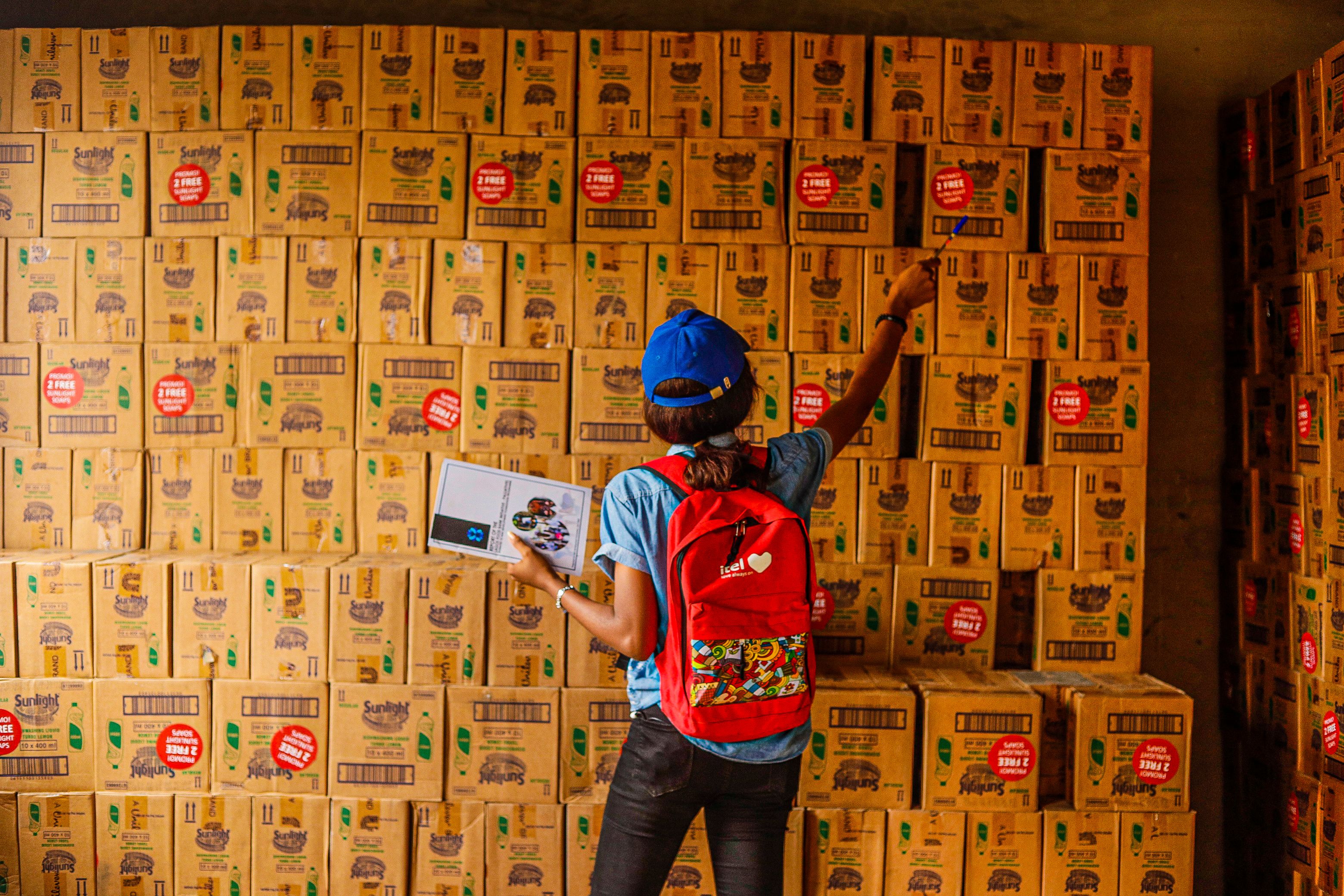
Digital information management
Inspection information becomes more valuable when it integrates with a client's own systems. Our data-processing department maintains a client interface capability which, where reciprocal, allows integration with client data programs — including those operated by the Central Bank of Nigeria and the Nigeria Customs Service.
Our team is familiar with the Automated System for Customs Data (ASYCUDA) and the information requirements of modern customs and trade processes. The objective is to move beyond paper-based reports toward structured, searchable, decision-ready inspection information.
Our commitment
Inspection services that are:
- Accurate
- Independent
- Transparent
- Professional
- Confidential
- Timely
- Evidence-based
Behind every cargo is a commercial transaction, a financial commitment and a business relationship. Our responsibility is not simply to inspect goods, but to provide the information that lets our clients trade with confidence.
Need an inspection arranged?
Tell us the cargo, the location and the date. We will confirm scope, personnel and reporting format.